
YOUR NEIGHBOURHOOD MASSAGE STUDIO · MONTRÉAL
Most people in Montréal who book a massage for the first time book a Swedish massage. Most people who have been getting massages for years still come back to Swedish massage regularly. There is a reason for that, and it is not because Swedish massage is the beginner option before you graduate to something more serious. Swedish massage is a complete therapeutic system. It uses a specific set of techniques — long gliding strokes along the muscle, kneading and compression, friction, rhythmic percussion and vibration — in a structured sequence that addresses muscle tension, circulation, nervous system activation, and connective tissue mobility in a way that is difficult to replicate with any single specialized technique. The people who treat it as a fallback when they do not know what else to book are leaving a lot of the benefit on the table.
The case for Swedish massage in Montréal specifically is grounded in what the environment does to bodies here. Montréal winters run from November through April in terms of how most people physically respond to them — shoulders pulled up toward ears, posture contracted against cold, reduced movement, less circulation to the extremities, and the cumulative stiffness of months spent in heated indoor environments with reduced physical activity. Add to that what most Montréalers do for work: office and remote work means sitting at a desk for seven to nine hours, commuting on the metro or in a car, and carrying the physical consequence of that posture in the neck, upper back, shoulders and lower back. The Swedish massage sequence was designed precisely for this presentation — generalized muscle tension accumulated over time from posture, stress and reduced movement, in a body that needs both physical release and nervous system regulation.
At Spa New You on rue Saint-Jacques in Saint-Henri, Swedish massage is performed by our massage therapists. The session is built around what your body presents at the time of the appointment, not a scripted sequence applied identically to every client. Receipts for insurance reimbursement are available for sessions with FQM-registered therapists. Fixed rates apply seven days a week with no weekend surcharge.
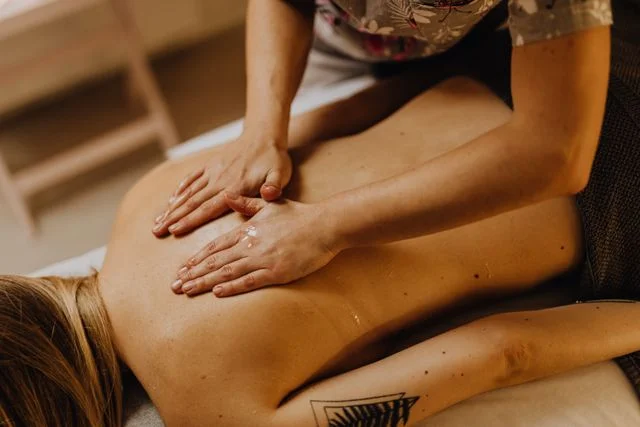
The question worth answering before anything else is what distinguishes Swedish massage from the other options and what makes it the right choice for a specific presentation. Swedish massage uses five principal techniques in sequence and combination: effleurage, which is long gliding strokes applied with the palms and fingers along the length of the muscle; pétrissage, which is kneading and compression that lifts and rolls muscle tissue to break up superficial tension and improve local circulation; friction, which applies concentrated pressure across the grain of the muscle fibre to address adhesions and areas of resistance; tapotement, which uses rhythmic percussion with cupped hands, fingertips or the edge of the hand to stimulate circulation and muscle responsiveness; and vibration, which uses fine trembling pressure to release tension in specific areas. These five techniques are not arbitrary — they were developed to address muscle tissue systematically, from surface to depth, and the sequence of how they are applied in a session matters as much as the techniques themselves.
Effleurage is how the session opens. Long, connected strokes applied with full hand contact along the muscle communicate to the nervous system that pressure is safe, warm the tissue, and begin increasing local circulation before any deeper work is introduced. Trying to apply deep pressure to cold, unwarmed muscle causes the body to guard — the muscle contracts against the pressure rather than releasing into it. Most discomfort people associate with massage comes from depth applied before the tissue is ready. A Swedish massage performed correctly never has this problem because the sequence is built around progressive preparation. The effleurage phase does work. It is not preamble.
The pétrissage phase addresses the mid-layer of tension that builds up in muscles that are chronically shortened, overloaded, or held in a compromised position for extended periods. For desk workers — and Montréal has a substantial population of office and remote workers, particularly in the technology, education, healthcare and finance sectors that dominate employment in the neighbourhoods around Saint-Henri, Westmount, downtown and Côte-des-Neiges — the target areas are consistent: upper trapezius, cervical paraspinals, levator scapulae, rhomboids, and the lumbar erectors that bear the load of forward-sitting posture for hours at a time. The kneading and compression of pétrissage mobilizes these muscles, increases circulation in the tissue, and begins releasing the chronic holding that postural stress creates.
The circulatory effect of Swedish massage is real and measurable. The combination of effleurage and pétrissage applied toward the heart increases venous return — the movement of blood back toward the heart from the extremities — and promotes lymphatic drainage. For clients who experience peripheral tension, swelling in the lower legs after long work days, or the general heaviness that comes from reduced physical activity during Montréal winters, this circulatory component produces noticeable change within a single session. The effect is not permanent after one treatment, but regular sessions that maintain this circulatory improvement produce cumulative benefit over time.
The nervous system response to Swedish massage is separate from the muscular response and equally significant. The technique activates the parasympathetic nervous system — the rest-and-digest branch of the autonomic nervous system that down-regulates stress response, lowers cortisol, and shifts the body out of sympathetic activation. For clients managing chronic stress, anxiety, disrupted sleep, or the general low-grade tension that accumulates during demanding work periods, this parasympathetic shift is often described as the most significant benefit of a session. The muscle release matters. The nervous system shift often matters more to how a client feels for the days following a session.
Swedish massage operates at a specific depth and with a specific set of techniques. It is not the right choice for every presentation, and knowing when it is not the right choice is as useful as knowing when it is. Swedish massage does not address deep chronic muscle adhesions — the dense, fibrous scar tissue that forms in repeatedly overloaded or injured muscle over months and years — with the same effectiveness as deep tissue massage. If your primary complaint is a specific area of chronic, severe tension that has not responded to previous Swedish massage sessions and that a therapist has identified as deep adhesion work, deep tissue may be the more appropriate choice for that focus area. Swedish massage will address the surrounding tissue and the systemic tension, but may not penetrate to the depth where the specific adhesion lives.
Swedish massage is also not a medical treatment. It does not diagnose, treat or cure any medical condition. Clients managing specific musculoskeletal diagnoses — disc herniation, rotator cuff tears, nerve impingement syndromes, inflammatory arthropathies — should disclose their diagnosis and any active symptoms before the session. A properly trained massage therapist modifies the treatment for these presentations, avoids contraindicated techniques over affected areas, and works within the scope of therapeutic massage. What Swedish massage does for clients managing these conditions is address the surrounding musculature, reduce compensatory tension patterns, improve circulation, and support the nervous system — all of which have genuine value alongside the appropriate medical treatment. It does not replace that treatment.

These are the five presentations we see most consistently at Spa New You. If your situation fits one of them, the session is built for you.
This is the single most common presentation we see. The physical mechanics are well understood: forward head posture over a screen loads the cervical spine and the muscles that support it at a multiple of their capacity for the position. The upper trapezius, levator scapulae and cervical paraspinals bear this load for hours at a time. The rhomboids and mid-back muscles that should stabilize the shoulder blades weaken and lengthen under chronic forward pulling. The result is a characteristic pattern — tightness and elevation in the shoulders, a forward-jutting head position, restricted cervical rotation, and often a mid-back that is simultaneously tense and weak. This pattern affects office workers, remote workers, students, and anyone whose primary daily activity involves sitting in front of a screen. In Montréal, where technology, education, finance, healthcare administration, and professional services employ a substantial portion of the workforce, it is the presenting pattern for the majority of new massage clients.
Swedish massage treats this pattern directly. The effleurage and pétrissage phases work through the upper trapezius, rhomboids, levator scapulae and cervical paraspinals systematically. The neck work in a Swedish massage session — side-lying or supine positioning with specific cervical techniques — addresses the chronic shortening and hypertonicity that forward head posture creates. Clients who maintain monthly or biweekly Swedish massage sessions report significantly reduced baseline neck and shoulder tension compared to periods when they go months without treatment. The session does not correct the postural mechanics that cause the problem, but it treats the cumulative physical consequence that those mechanics produce.

Stress response is a physical process before it is a psychological one. The sympathetic nervous system tightens the chest, shallows the breath, elevates the shoulders, contracts the hip flexors, and holds the jaw — a whole-body preparation for threat that does not discharge when the threat is a work deadline or a difficult conversation rather than a physical event. Chronic stress means chronic sympathetic activation, which means the body stays in that contracted, guarded state continuously. Over weeks and months, the physical consequence of this pattern accumulates in the same places as postural stress — neck, shoulders, upper back — plus additional areas: chest wall tension, diaphragmatic restriction, hip flexor shortening, and a general quality of body that a client will describe as feeling like they cannot fully relax even when they are trying to.
The parasympathetic activation that Swedish massage produces is the therapeutic mechanism here. An hour of Swedish massage applied with the specific techniques and sequencing that activate the parasympathetic response gives the nervous system something it often cannot accomplish on its own — a genuine, sustained shift into the rest-and-recovery state. Clients who describe the post-session feeling as the first time they have felt calm in months are not exaggerating. The effect is not permanent after one session, but it is real and it lasts for days in most clients. For people who exercise, meditate, or use other stress management practices, Swedish massage complements those approaches by addressing the physical component of stress accumulation that exercise and meditation do not always fully reach.

Swedish massage is the right starting point for first-time massage clients for a specific reason: the technique sequence begins with the lightest pressure and builds progressively, the therapist can calibrate depth to your tolerance in real time without the session becoming less effective, and the full-body treatment means that a first session gives you a complete picture of where your body holds tension and how it responds to massage. A first-time client who books a deep tissue massage because they have heard it is more effective runs a meaningful risk of the session being too intense for their nervous system and tissue, leaving them sore and averse to rebooking rather than understanding what massage can do for them. Swedish massage has a much lower floor and a high ceiling — it can be performed at a genuinely light pressure for clients who are sensitive or new, and it can address substantial tension at a medium-firm pressure without requiring the deep, targeted work of deep tissue.
If you have been putting off booking a first massage because you are not sure if you will be comfortable, what to expect, whether the session will help, or what pressure to ask for — Swedish massage at the 60-minute duration is the appropriate starting point. At the intake, tell the therapist that this is your first session, describe where you notice the most tension, and let them know if you have any areas of injury, sensitivity or recent treatment. The session is built around that information. You do not need to know which techniques are appropriate for your presentation. That is the therapist's job.

Two presentations that Swedish massage addresses directly and that clients often do not connect to massage as a solution: poor sleep quality and slowed exercise recovery. The nervous system connection to both is real. Elevated cortisol and sustained sympathetic activation are among the documented contributors to disrupted sleep architecture — specifically reduced deep sleep and early waking. A Swedish massage session that produces genuine parasympathetic activation and cortisol reduction creates physiological conditions that support better sleep in the days following the session. Clients who add regular Swedish massage to their routine often report improved sleep quality as one of the first secondary benefits they notice, separate from the muscle tension they booked it for.
Exercise recovery is related. Delayed onset muscle soreness following training is partly a function of metabolic byproduct clearance and inflammatory process in the worked tissue. The circulatory component of Swedish massage — improved venous return, enhanced lymphatic drainage, increased local blood flow — supports both of these processes. Athletes and recreational exercisers who include Swedish massage in their recovery protocol consistently report faster return to training readiness compared to rest alone. For Montréalers who are active in summer cycling on the canal Lachine path, winter hockey or skating, year-round gym training, or running on the Verdun waterfront, Swedish massage fits into the recovery side of a training week rather than being a separate wellness expenditure.
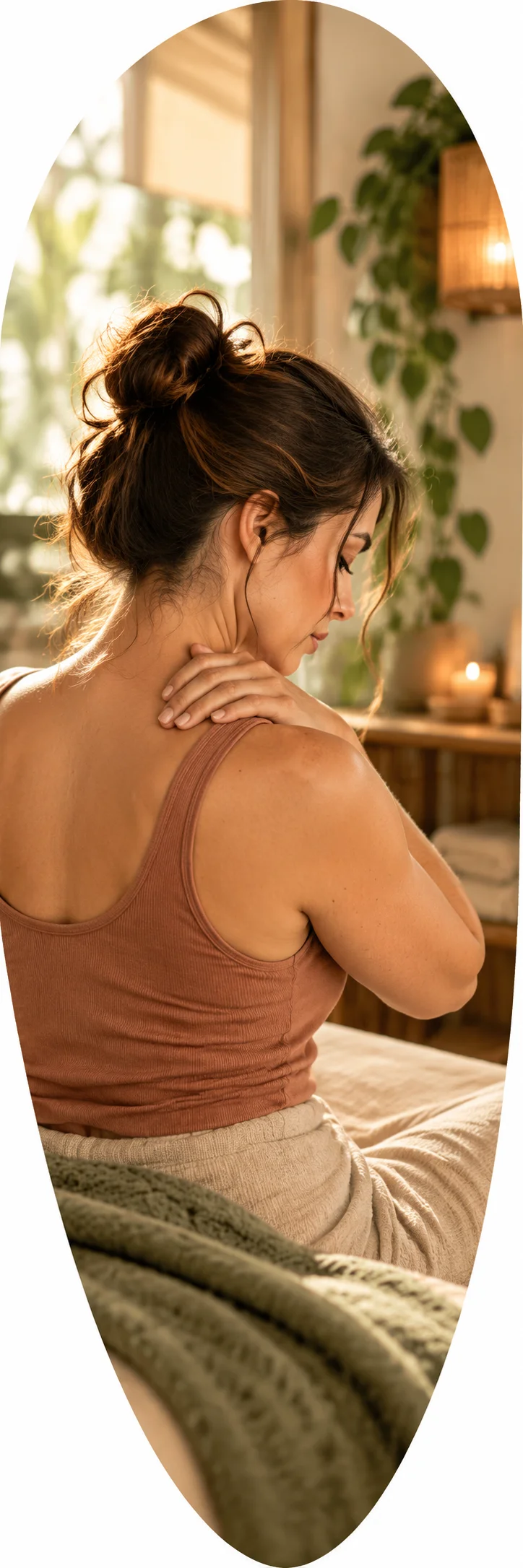
This is a recognizable pattern for many clients. A period of regular massage therapy that stopped due to a move, a change in schedule, a shift in budget, or simply life getting in the way — followed by a gradual return of the tension, stiffness and baseline discomfort that the regular sessions were managing. The body communicates the gap between where it is and where it was, usually starting with increased tension in the familiar areas that the sessions were treating. The return visit after a long break is often the most impactful session because the contrast between the accumulated tension and what gets released in a single treatment is significant.
The practical issue for returning clients is usually not the first session — it is building back a sustainable schedule. If monthly sessions were working before, monthly sessions will work again. If you stopped because the schedule was hard to maintain, a quarterly or bimonthly approach is better than nothing, and your therapist can structure sessions to address the most impactful areas given the longer interval. Come in with the honest picture: how long since the last session, where you have been noticing the most accumulation, whether anything has changed in your posture, work situation or activity level. The session is more effective when the therapist has the full picture.
Every Swedish massage at Spa New You follows a specific sequence at each appointment. Here is exactly what happens at each visit so you know what to expect before you arrive.
Before your session begins, your massage therapist does the following:
The intake conversation is not paperwork. A session shaped around your actual presentation produces better results than a generic protocol, and the five minutes before the treatment begins is part of the treatment.
The session begins with the client prone — face-down — and the therapist starting with effleurage to the back, which is the largest surface area and the most productive starting point for systemic nervous system regulation. The long, connected gliding strokes applied to the full back communicate safety, warm the tissue, and establish the pace and pressure of the session. The therapist checks in on pressure during the first few minutes, and the client should respond honestly — the first phase of the session is calibration as much as it is treatment.
As the tissue warms, the therapist introduces pétrissage — kneading and compression — into the areas of greatest tension identified in the intake and initial palpation. The upper back and shoulders are treated in detail, with specific attention to the rhomboids, middle and lower trapezius, and thoracolumbar fascia. For clients with significant desk-worker tension patterns, this phase of the session addresses the area where most of the accumulated stress lives. Pressure increases progressively as the tissue responds. If a specific area requires more focused work, the therapist uses friction — cross-fibre pressure — to address the adhesion directly.
The therapist works through both legs and the gluteal region before moving the client to supine — face-up — for the second half of the session. The legs in Swedish massage are treated with particular attention to the calves and hamstrings, which are the most chronically shortened muscles in a population that sits for most of the day, and the iliotibial band and hip flexors that accumulate tension in both sedentary and active clients. The circulatory techniques applied to the legs are among the most useful components of Swedish massage for clients who experience lower-leg heaviness or swelling after long days.
Supine work addresses the neck, shoulders from the anterior and lateral, scalenes, upper chest, and — where the client has indicated comfort with this — the face and scalp. Neck work in the supine position allows the therapist to traction the cervical spine gently and address the anterior neck muscles that are chronically shortened in forward head posture. This phase of the session often produces the most immediate relief for clients whose primary complaint is neck and shoulder tension because the anterior cervical work treats the muscles that forward head posture most directly impacts and that prone position cannot reach. The session closes with light effleurage and allows the client several minutes before rising slowly.
Most clients leave the session feeling substantially looser and calmer than when they arrived. The nervous system shift is usually the first thing clients notice — a quality of physical calm that is distinct from simple tiredness. The muscular response follows: reduced tension in the treated areas, easier breathing, less holding in the jaw and chest. Some clients experience a light, pleasant fatigue similar to the post-exercise feeling. This is a normal parasympathetic response. Plan a quiet evening. Do not rush back to high-demand activity. The session is doing work, and the several hours after it are part of the process.
The immediate post-session effect fades gradually as the body returns toward its baseline. This is expected — the same processes that created the tension in the first place continue between sessions, and the session addressed the accumulation to that point. What the baseline returns to is often slightly better than before the session for clients who maintain a regular schedule, because each session shifts the baseline incrementally in the direction of better function, reduced holding patterns, and improved tissue quality. Clients who see the most sustained improvement are those who come monthly rather than waiting until the tension has fully returned before rebooking.
This is typically when the muscular benefit peaks. Areas of chronic tension that were worked during the session feel more open. Range of motion improves. The baseline holding that clients describe as just how they feel has shifted. This window is also when delayed onset soreness appears for some clients, particularly those who have gone a long time between sessions or who had significant tension addressed. The soreness is similar to post-exercise muscle soreness — a dull ache that is present on movement and resolves without intervention. Applying heat, continuing hydration, and light movement (a walk, gentle stretching) helps it resolve faster.
Deep pressure work, particularly over muscles with significant tension, occasionally causes bruising in clients with sensitive skin or those who are prone to bruising. This is unusual with a properly applied Swedish massage at standard pressure. If you bruise, note it and tell your therapist at the next session — it informs pressure calibration. If post-session soreness lasts beyond three days, is isolated to one area, or is accompanied by numbness, tingling or sharp pain rather than diffuse muscle ache, contact the spa before your next session. Post-session symptoms of that type are not typical of Swedish massage and warrant a conversation before continuing.
There is no universally correct answer to frequency, and any therapist who prescribes the same schedule to every client is working from a sales approach rather than a clinical one. Here is how to think about this honestly.
A monthly Swedish massage manages the accumulation cycle for most adults with normal desk-worker tension patterns, moderate stress levels, and no acute injuries. The session addresses what has built up over the previous four weeks before it reaches a level where it is affecting sleep, movement or baseline comfort significantly. At this frequency, the sessions build on each other — each one begins closer to optimal tissue state than the last because the chronic accumulation pattern never reaches its worst level. Clients who maintain monthly sessions consistently report that their baseline tension level between sessions is noticeably lower than it was when they were going months between appointments. The investment is one hour per month. The physical return, for most people, is substantial relative to that.
For clients going through a particularly demanding work period — a major project deadline, a career transition, a difficult personal situation — or for clients returning after a long gap who have significant accumulated tension, biweekly sessions for six to eight weeks produce faster results than waiting a month between appointments. The first session addresses the surface accumulation. The second session, two weeks later, reaches what was building under the surface during the first treatment. By the third or fourth session, the client is typically in a maintenance state rather than a catch-up state and can extend to monthly appointments. This approach is not a long-term commitment — it is a faster path to the baseline you want to maintain.
If monthly sessions are not sustainable, four sessions per year timed to the Montréal seasonal transitions offer the best return on that frequency. The most impactful timings are late April or early May — after the winter accumulation has peaked and the body is transitioning to warmer months and more activity — and late September or early October, before the heating season begins and the winter contraction pattern sets in. A third session in mid-February addresses the deepest point of winter tension, and a fourth in August manages summer activity and travel fatigue. At quarterly frequency you are not preventing accumulation — you are managing it seasonally before it becomes severe. The results of each session are significant but do not last as long as they would with monthly maintenance.
Your therapist gives you a specific recommendation after your first session based on what they find in your tissue, your history, and what you have told them about your schedule and goals. There is no minimum commitment and no package purchase requirement. The recommendation is based on your body and your realistic schedule.
Spa New You is at 3259 rue Saint-Jacques in Saint-Henri, accessible from across the Sud-Ouest borough and the western end of the island. Here is how long it takes from the neighbourhoods we serve most frequently.
By metro, take the orange or green line to Lionel-Groulx station — the only interchange point between both lines west of downtown — then the 36 bus on rue Saint-Jacques heading west. The spa is three stops from Lionel-Groulx, about eight minutes by bus. The walk from the stop to our door is under two minutes.
Street parking is available on rue Saint-Jacques and surrounding Saint-Henri streets throughout the day. The block near the spa turns over regularly during business hours. Metered parking applies on rue Saint-Jacques on weekdays. Residential side streets nearby are generally unrestricted on Sundays.
Spa New You is in the same neighbourhood as Marché Atwater, the canal de Lachine bike and walking path, and parc Marguerite-Bourgeoys. Clients come for Swedish massage from across the island — from Plateau-Mont-Royal (H2J, H2W), Mile-End (H2T), Rosemont (H1X, H2G), and from communities closer to the Sud-Ouest borough. The location is also convenient for clients who work near the MUHC (McGill University Health Centre) complex near Atwater, in the Saint-Henri and Petite-Bourgogne business corridor, and in the Westmount business district — professionals who spend their workdays in forced-air office environments and carry the physical consequence of that in the way their bodies present at intake.
H4C (Saint-Henri), H4E (Côte-Saint-Paul), H4A (NDG west), H4B (NDG east), H4G (Verdun north), H4H (Verdun south), H8P (LaSalle north), H8R (LaSalle central), H3Y (Westmount south), H3Z (Westmount north), H3X (Côte-des-Neiges south), H3W (Côte-des-Neiges north), H3B (downtown west), H3G (downtown central), H3H (Shaughnessy Village), H2X (Chinatown / Milton-Parc), H2T (Mile-End south), H2J (Plateau-Mont-Royal), H2W (Plateau central), H1X (Rosemont)
The right duration depends on what you are treating and how much of the body needs attention. Thirty minutes is sufficient for a focused session addressing a single region — typically the neck, upper back and shoulders for a client managing a specific complaint in that area who cannot spare more time. It is not a full-body treatment. Forty-five minutes allows for a more complete upper body treatment or a focused lower body session. Sixty minutes is the shortest duration that allows a full-body Swedish massage to be performed properly — long enough to work through the back, legs, and neck and shoulder work with appropriate time at each area. Seventy-five and ninety minutes allow deeper work in areas of significant tension and more thorough treatment throughout. For clients with a lot to address — accumulated tension across multiple regions, significant stress load, or a longer gap since the previous session — ninety minutes is the recommended starting point. One hundred twenty minutes is for clients who want the most comprehensive treatment available in a single session and allow the therapist full time at every region without rushing any phase.
Receipts for insurance reimbursement are available for sessions with FQM-registered massage therapists . Coverage depends on your individual plan — most private health insurance plans in Québec that include paramedical benefits cover massage therapy with an FQM receipt. Check with your insurer before the appointment to confirm your coverage and whether a physician referral is required by your plan.
Spa New You's Swedish massage rates sit at the accessible end of professional massage pricing in Montréal. Spas and clinics in Westmount, NDG and downtown frequently charge significantly more for comparable 60-minute Swedish massage sessions. The same fixed rate applies Monday through Sunday — a Sunday booking costs the same as a Tuesday. No weekend surcharge, no holiday rate markup for standard appointment times.
FQM membership and insurance-receipt availability vary by therapist. If you require an insurance receipt, please confirm your therapist’s membership and receipt availability when booking. Reimbursement depends on your insurer and policy.
Our Swedish massage therapists:
When you call to book, mention your primary complaint and any relevant history — injuries, surgeries, conditions that require modified treatment. We match you with the therapist whose availability and clinical focus best suits your presentation. If you have a preference for therapist, male or female, or a specific pressure style based on previous sessions, tell us when you call and we work to accommodate it.
Editor note: These are representative composite cases based on typical presentations. No individual is identified.
A client from Westmount (H3Z) in their mid-forties had managed persistent upper back and neck tension for several years that had developed alongside a transition to full-time office work. They exercised regularly — three to four gym sessions per week — but the exercise had not addressed the specific tension pattern, and in some periods appeared to worsen it by adding training load to muscles that were already chronically shortened. Over-the-counter anti-inflammatory medication managed acute flares but did not change the baseline. They had not had professional massage therapy and were skeptical that it would accomplish something the exercise and medication had not.
The intake at Spa New You identified a classic presentation: significant bilateral upper trapezius elevation and hypertonicity, restricted cervical rotation to the right, anterior chest and pectoralis tightness from forward shoulder posture, and substantial thoracolumbar tension from the combination of sitting and exercise without adequate recovery work. The therapist recommended a 90-minute first session given the extent of accumulation, and explained that the initial session would address the accumulated tension across all regions before a second session could begin working on the more specific adhesion work in the upper trapezius and cervical area.
The client's post-session response was described as unexpected — not because the massage was pleasant, which they had anticipated, but because the functional change was immediate and specific. Cervical rotation to the right improved within the session. Upper back tension that had been their baseline for three years was substantially reduced. They described being able to take a full deep breath in a way they had not noticed was restricted before the session released the anterior chest tightness. The next morning's gym session felt different — their warmup felt easier, their overhead movement was more accessible, and the familiar mid-session upper back tightening was significantly reduced.
They established a monthly schedule and reported at the second session that the week following the first treatment had been notably different in terms of sleep quality and daily comfort level. By the third monthly session, the therapist noted significantly reduced baseline tension in the upper trapezius and was able to focus more session time on the deeper work in the cervical area. This case is straightforward — the presentation was clear, the therapeutic response was typical, and the client's skepticism resolved after a single session because the functional improvement was immediate and specific rather than subtle and subjective.
A client from Notre-Dame-de-Grâce (H4B) in their early thirties arrived with a presentation that was primarily stress-related. They had been through a demanding six-month period at work — a project with sustained overtime hours, increased responsibility, and ongoing pressure that had not let up. The physical manifestations were consistent: they were sleeping poorly, waking early despite fatigue, carrying persistent tension in the chest and jaw, and described a quality to their physical state that they could only characterize as being unable to fully relax regardless of what they tried. They had attempted various approaches — increased exercise, meditation, reducing caffeine — with partial success on individual symptoms but no change in the underlying state.
The intake confirmed significant sympathetic nervous system activation — elevated resting muscle tone throughout, jaw clenching, difficulty taking a full breath without deliberate effort, and the characteristic chest and shoulder holding that sustained stress produces. The therapist structured the session specifically for nervous system regulation rather than deep tissue work: longer effleurage phases to establish parasympathetic activation before introducing pétrissage, specific diaphragmatic and chest work in the supine phase, and face and scalp work in the final section of the session. The intent was to give the nervous system a sustained period of safe, nonthreatening input rather than addressing specific tension sites aggressively.
The client's response during the session was characteristic of significant parasympathetic activation — spontaneous deep breathing around twenty minutes in, muscle release in the jaw and chest that they described as involuntary, and a quality of physical ease that arrived without any effort on their part. The post-session state was described as the most relaxed they had felt in months. The following night's sleep was notably different — longer, deeper, and without the early waking that had been their pattern for months.
They maintained biweekly sessions for six weeks given the depth of accumulation, then moved to monthly maintenance. The sleep improvement was the most consistent and valued outcome they reported — not what they had booked the massage for, but the consequence of addressing the nervous system component of their stress response. This case illustrates a point that is underappreciated in how people think about massage: the muscular benefits are real and visible, but for many clients the nervous system shift is where the most significant quality-of-life improvement actually lives.
A client from Plateau-Mont-Royal (H2J) in their late twenties had not had a professional massage before. They had no specific injury or complaint — they booked based on a colleague's recommendation and were primarily curious about whether professional massage would offer anything meaningfully different from occasional foam rolling and stretching. Their skepticism was specific and reasonable: they exercised regularly, paid attention to recovery, and questioned whether massage was a meaningful therapeutic tool or primarily a relaxation service they could take or leave.
The intake identified more accumulation than they had been aware of — significant thoracolumbar tension from running training, anterior hip flexor shortening from a desk job that their gym work had not fully addressed, and cervical tension in the upper trapezius that they had normalized as simply how their neck always felt. The therapist explained the specific findings to them, described how Swedish massage would address each area, and framed the session as a clinical treatment rather than a comfort service, which matched their preferred approach.
The session addressed all three areas systematically. The client's post-session response was notable specifically because it was functional and specific rather than generally positive — improved hip flexor length that they could feel immediately in their gait, reduced upper trapezius elevation that they noticed when they looked in the mirror in the change room, and a quality to their lower back that they described as closer to how it felt the morning after a rest day than the morning after a hard training day. They had come in skeptical about whether massage did anything clinically meaningful. The functional changes at the end of a single session answered that question more clearly than any explanation could have.
They booked monthly sessions and have reported consistent benefit in their training recovery and baseline muscle function. Their primary reason for maintaining the schedule is recovery rather than stress management — they treat Swedish massage as part of their training support rather than a separate wellness category. This pattern is increasingly common among Montréal clients in their twenties and thirties who came to massage through fitness and recovery contexts rather than through the traditional relaxation framing, and who respond well to a clinical rather than a spa-experience approach to the session.
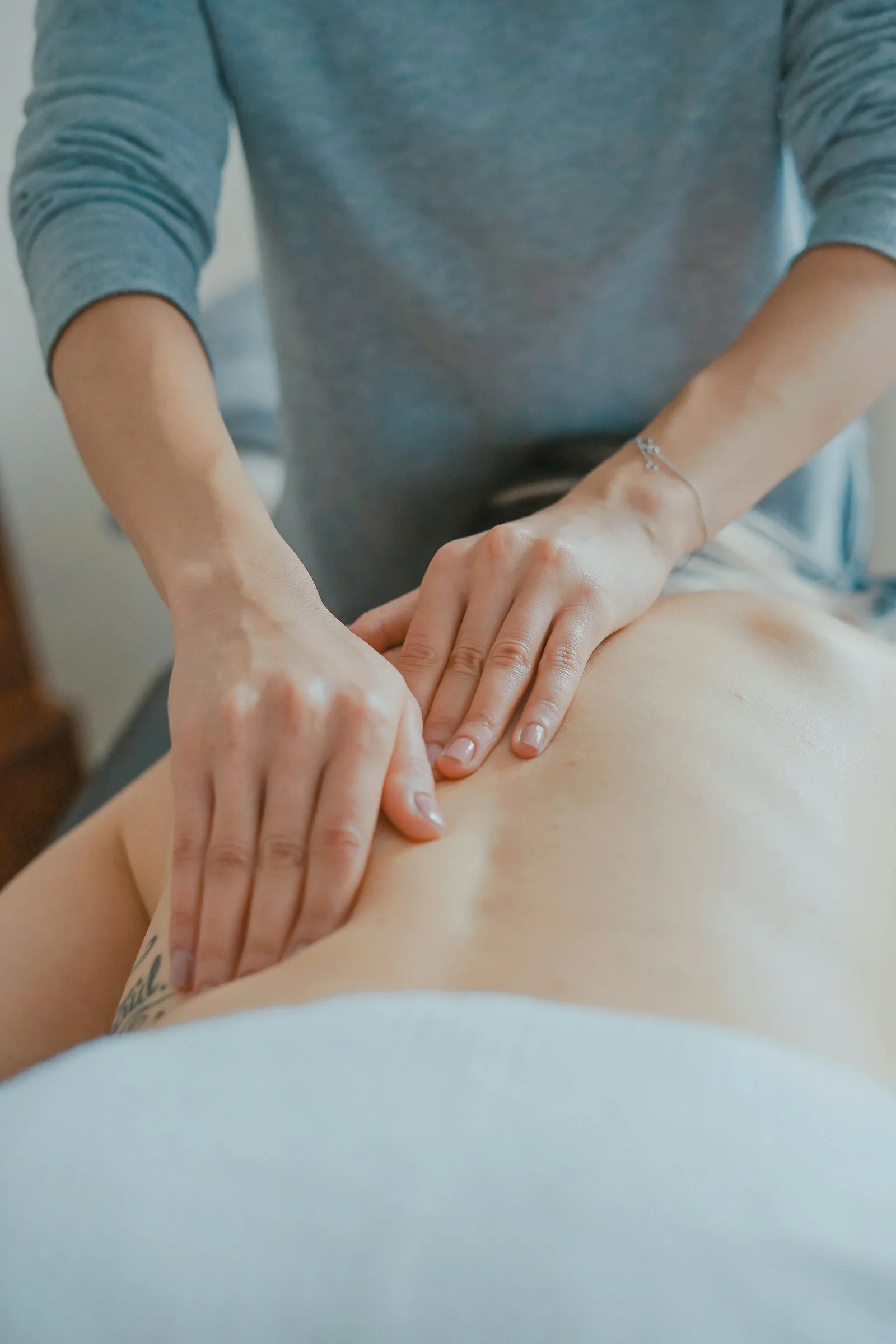
Swedish massage uses five primary techniques — effleurage, pétrissage, friction, tapotement and vibration — applied progressively across the full body to address surface and mid-layer muscle tension, improve circulation, and regulate the nervous system. It is a complete therapeutic treatment that works across a wide range of presentations. Deep tissue massage applies slower, more concentrated pressure aimed specifically at releasing dense, chronic adhesions in the deeper layers of muscle tissue. The distinction is depth and focus, not quality or effectiveness — Swedish massage is not a lighter or less effective version of deep tissue. It is the appropriate treatment for most presentations involving accumulated postural tension, stress response, circulatory support and nervous system regulation. Deep tissue is the appropriate choice when a specific area of chronic, established adhesion needs targeted concentrated work that Swedish techniques cannot reach as effectively. Many clients alternate between the two based on what their body needs at a given time rather than choosing one as definitively superior.
Ask for the pressure that your body accepts without guarding. This is a more useful frame than asking for light, medium or firm, because those terms mean different things to different clients and different therapists. A pressure the body guards against — where the muscle tightens in response to the contact rather than releasing into it — is too much pressure regardless of how it is labeled. A pressure that is comfortable but not engaging the tissue is too little to produce change. The productive range is firm enough that you feel the contact working on the muscle, but comfortable enough that you can breathe normally and your body is not bracing. Tell your therapist if the pressure needs adjustment at any point during the session. They adjust immediately and without making it awkward. The goal is the most productive pressure for your tissue, not a predetermined number on a scale.
Insurance receipts may be available for sessions with eligible therapists. Please confirm receipt availability when booking. Reimbursement depends on your insurer and policy. Please check annual limits, per-session limits and any referral requirements with your insurer before your appointment.
The nervous system shift — the parasympathetic activation and cortisol reduction — typically lasts two to four days following a session in measurable terms, though many clients report feeling different for the full week following a session. The muscular improvement — reduced tension, improved range of motion, better tissue quality — returns gradually over two to three weeks as the same postural and stress factors that created the tension continue to operate between sessions. The circulatory effects are more immediate and shorter-lived but support recovery processes in the days following the session. Clients who maintain monthly sessions report a gradual improvement in their baseline over time — each session begins at a better starting point than the one before, because the chronic accumulation pattern never reaches its worst level before being treated again.
Pregnancy massage requires specific positioning, modified techniques and an assessment of trimester and individual health factors that is separate from a standard Swedish massage intake. Spa New You offers pregnancy massage as a distinct service. If you are pregnant and interested in massage therapy, call to discuss your trimester, your primary symptoms, and any relevant health factors, and we will confirm whether a pregnancy massage session is appropriate for you and structure the session accordingly. A standard Swedish massage with a prone setup is not appropriate during the second and third trimester due to positioning, and the intake and technique modifications for pregnancy massage are specifically designed for that presentation.
Chronic lower back tension — the most common muscular complaint in adults — responds well to Swedish massage when the cause is accumulated postural and muscle tension rather than an acute injury or structural issue. The combination of lumbar erector work in the prone position, hip flexor and gluteal treatment, and the neural and circulatory effects of the session addresses the muscular contributors to lower back pain directly. Tell your therapist about your lower back at the intake, including how long you have had it, whether it is constant or episodic, whether it radiates anywhere, and whether you have had any imaging or medical assessment. These details determine whether the standard Swedish approach is appropriate, whether modification is needed, or whether you should clarify with your physician before the session. For lower back pain associated with disc herniation, nerve symptoms, or active inflammatory conditions, modification or physician clearance may be appropriate. For chronic lower back muscle tension from postural and lifestyle factors, Swedish massage is one of the most direct therapeutic approaches available.
Fall asleep. Falling asleep during Swedish massage is one of the clearest signs the nervous system has shifted into genuine parasympathetic activation — the parasympathetic state lowers alertness and allows the body to enter the physical state closest to sleep. The session continues effectively whether you are awake or asleep. The therapist works through the protocol and does not alter the session when a client is sleeping, except to keep the transition between positions quiet. If you fall asleep and want to know what happened during the session, ask your therapist at the end — they can describe what they addressed and note any areas that need attention next time. Sleeping through most of a massage is not wasting the session. It is the session working.
Swedish massage is a system of massage therapy that uses five principal techniques — effleurage (long gliding strokes), pétrissage (kneading and compression), friction (concentrated cross-fibre pressure), tapotement (rhythmic percussion) and vibration — applied in a structured sequence to address muscle tension, improve circulation, and regulate the nervous system. It is the foundational technique of Western massage therapy and the most broadly applicable form of professional massage for addressing accumulated muscle tension, stress response, and circulatory support. The term refers to the technique system rather than a national style — it is called Swedish massage because the systematized form of these techniques was developed and formalized in Europe in the nineteenth century. It remains the standard starting-point treatment in professional massage therapy for most presenting complaints.
Sixty minutes is the minimum duration for a full-body Swedish massage that works through all major muscle groups with adequate time at each. Shorter sessions require focusing on a specific region rather than treating the whole body. For a first-time client who wants to understand what professional massage does for their body, sixty minutes gives a complete picture. For a client with significant accumulated tension or a longer gap since their last professional massage, ninety minutes allows the therapist to spend more time in the areas of greatest tension without rushing other regions. If you are unsure, book sixty minutes for your first session and discuss duration recommendations with your therapist at the end of the session based on what they found.
You undress to your level of comfort and are fully draped throughout the session — only the area being actively worked on is uncovered at any time. Most clients remove all clothing except underwear for a full-body session. The therapist leaves the room while you undress and get on the table, and returns when you are settled and covered. If you prefer to keep more clothing on for any reason, communicate that to the therapist before the session begins and they structure the session around it. There is no wrong approach.
A Swedish massage performed at an appropriate pressure should not be uncomfortable. The session builds pressure progressively — the first several minutes use light effleurage to warm the tissue and establish the therapeutic contact before any deeper work is introduced. Your therapist checks in on pressure during the first phase of the session and adjusts based on your response. If at any point the pressure is uncomfortable, say so immediately. The therapist adjusts instantly and does not take it as a criticism — finding the right pressure for your tissue is part of their job, not a deviation from it. Mild discomfort when direct pressure is applied to a particularly tense area is different from the pain of being pressed too hard and is normal. If you are unsure which category the sensation falls into, describe it to your therapist and they can tell you.
The terms are often used interchangeably, and in many spas they refer to the same service. The distinction, where one exists, is typically about intent and pressure calibration: a relaxation massage prioritizes comfort and nervous system regulation with lighter pressure, while a therapeutic Swedish massage uses the same technique set but calibrates pressure and sequence around physical results — reducing specific tension patterns, improving range of motion, addressing circulatory concerns. At Spa New You, Swedish massage sessions are performed by trained therapists who combine both functions — the session is therapeutic in technique and intent, and the nervous system regulation that relaxation massage prioritizes is a built-in outcome of properly applied effleurage and the parasympathetic activation the technique produces.
Yes, and the mechanism is specific rather than general. Swedish massage activates the parasympathetic nervous system — the physiological state that is incompatible with the sympathetic activation that anxiety involves. A session that produces genuine parasympathetic shift measurably reduces cortisol, lowers heart rate, and shifts the nervous system into the rest-and-recovery state. For clients managing chronic anxiety, this is a physiological intervention that complements psychological approaches rather than substituting for them. It does not address the cognitive and behavioural patterns that sustain anxiety, and it is not a substitute for appropriate mental health support when that support is indicated. As a physical tool for managing the somatic component of anxiety — the body tension, the shallow breathing, the chronic muscle guarding — Swedish massage is one of the most direct options available without pharmaceutical intervention.
In most cases, yes. The circulatory and parasympathetic effects of Swedish massage are associated with short-term reductions in blood pressure, and the treatment is generally considered safe for clients with well-controlled hypertension. Disclose your blood pressure history and any current medications at the intake. If your blood pressure is not well controlled, if you have recently had a cardiovascular event, or if you are unsure whether massage is appropriate given your current medical status, speak with your physician before the session. The therapist may modify certain techniques or avoid specific positions based on your history. High blood pressure is not a blanket contraindication to Swedish massage, but it is information the therapist needs to perform the session appropriately.
Yes. Spa New You offers both massage therapy and facial services at the same location. If you want to book both during the same visit, call ahead to confirm availability of time blocks at your preferred date and time. Combining a facial and a massage in a single appointment is a practical option for clients who want to address both skin care and muscle tension without making two separate trips. Scheduling depends on therapist availability for both services on the same day.
Two seasonal patterns in Montréal create conditions that make regular Swedish massage more clinically useful here than in temperate climates. First, the winter period from November through April involves sustained cold exposure that drives a whole-body physical response — shoulders pulled up, posture contracted, reduced outdoor physical activity, months of forced-air heating that dries the body and reduces tissue hydration, and the cumulative postural consequences of dressing for cold and moving less. This creates a predictable peak of accumulated tension in late winter that is specific to Montréal's climate. Second, the summer transition brings physical activity increases, construction-related physical labour and commuting stress, and the shift from winter movement patterns to summer activity patterns — a transition that produces its own pattern of tension and imbalance. Monthly Swedish massage manages both cycles, and the two major seasonal transitions — late April and early October — are the highest-value times to schedule sessions for clients who cannot maintain monthly frequency.
Call (514) 750-7070. We are open Monday through Sunday from 10:30 AM to 8:30 PM. Tell us the duration you want or describe your primary complaint and we can recommend the appropriate length. Mention any relevant health history, injuries, or conditions at that point rather than waiting for the intake form — it helps us match you with the right therapist and confirm that there are no contraindications to address before your appointment. There is no online booking form. A phone call takes two to three minutes and gives you a direct conversation about whether the session is the right fit for what you need.
Call (514) 750-7070. Tell us the duration you are looking for, your primary complaint, and anything relevant about your health history. We confirm the appointment, match you with an available massage therapist, answer any clinical questions before you arrive, and book a time that works for your schedule.
Open seven days a week from 10:30 AM to 8:30 PM. Same fixed rates every day with no weekend surcharge. Professional Swedish massage in Saint-Henri, easily accessible from NDG, Verdun, LaSalle, Westmount, Côte-des-Neiges and across the island of Montréal. Insurance receipts available from FQM-registered therapists.
Same-day appointments require a phone call.
Please call (514) 750-7070 to confirm availability.
Give your body a little extra care this year. Call or book your visit to claim your free hour.