YOUR NEIGHBOURHOOD MASSAGE STUDIO · MONTRÉAL
YOUR NEIGHBOURHOOD MASSAGE STUDIO · MONTRÉAL
Most people who book a massage in Montréal are dealing with two things at the same time. They’re tense and tired, and they also have specific spots that have been locked up for weeks. A Swedish-only session relaxes the surface. A deep tissue session works the knots. The fusion does both in the same hour, in the right order, on the same table.
The Swedish component opens the session with broad, flowing strokes that warm the tissue and calm the nervous system. Your therapist then shifts into focused deep tissue work on the areas that need it — the upper trap, the rhomboids, the base of the neck, the glutes — using the relaxation already created to access deeper layers without forcing through cold, contracted muscle. The sequence is intentional. The result is different from doing either modality alone.
At Spa New You on Saint-Jacques Street in Saint-Henri, our massage therapists have been delivering this combination seven days a week since the spa opened. If you require an insurance receipt, please confirm therapist eligibility and receipt availability when booking. Same flat rates every day, no weekend surcharge.
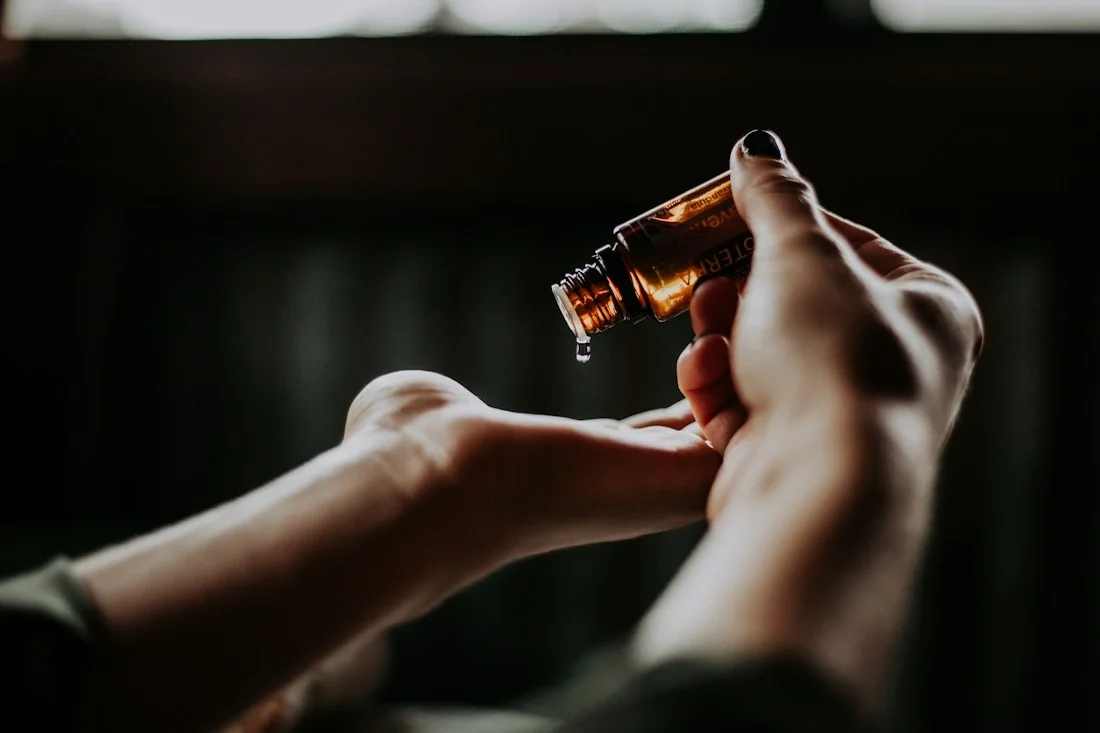
Swedish massage works through four primary techniques — effleurage, petrissage, tapotement and friction — applied over the full body with moderate pressure. It increases blood circulation, releases surface-level tension and signals the nervous system to shift from a stress state into a recovery state. That shift is not cosmetic. It changes how your muscles respond to pressure, which is exactly why it comes first in the fusion sequence.
Deep tissue work targets the fascia and deeper muscle layers where chronic tension, repetitive strain patterns and scar tissue from old injuries live. In a standalone deep tissue session, your therapist has to fight through surface tension to reach those layers, which is why deep tissue can feel uncomfortable and sometimes leaves people sore the next day. In the fusion, the Swedish work done before it removes that barrier. The deep tissue component reaches the right layer faster and with less resistance.
The transition between the two techniques happens based on how your tissue is responding, not on a fixed clock schedule. Your therapist reads the body as the session progresses. If an area releases quickly, more time goes toward the deep tissue phase in that zone. If something is particularly stuck, more Swedish preparation goes in before the pressure increases. You are not getting half a Swedish and half a deep tissue session bolted together. You are getting one session that uses both intelligently.
After the session, the combined effect is relaxation you can feel in your whole body plus a specific reduction in the areas that have been causing you daily discomfort. Most clients who try the fusion after years of booking one or the other do not go back to either modality alone. The result is simply more complete.
The Swedish and deep tissue fusion is not a Swedish massage with occasional deeper moments. The deep tissue component is a real clinical application of sustained pressure, friction and cross-fibre techniques on specific structures. If you book this session and tell your therapist your main problem is a locked right rhomboid, they will spend meaningful time on that rhomboid at real depth. The Swedish portion is preparation, not the main event in those zones.
It is also not appropriate for every presentation. If you have an acute injury — a muscle that was strained in the last five to seven days, active inflammation, or a fresh surgery site — deep tissue pressure applied to that area will make it worse. Your therapist assesses this before the session starts. Some zones will be avoided entirely or treated with Swedish-only pressure based on what you report at intake. That is the correct clinical approach, not a limitation of the service.

These are the five presentations we work with most often at Spa New You. If yours matches one of them, you are in the right place.
Desk posture in Montréal winters compounds itself. You hunch into your coat outside, you hunch into your chair inside, and the trapezius and rhomboid muscles spend fourteen hours a day in a shortened, loaded position. By January, most people who work office jobs in NDG, the Plateau or downtown have upper backs that feel like concrete regardless of how many times they stretch at their desk.
The fusion is the right service for this presentation because the problem has two layers. There is general fatigue and tightness across the whole upper body that needs the Swedish component to release, and then there are specific adhesions in the mid and upper trap, along the shoulder blade border and into the cervical base that need real deep tissue work to break up. One technique alone handles only one of those layers. The fusion handles both in the same session.

Athletes and regular gym members in Montréal — whether you train at a facility in Verdun, NDG or downtown, or you run the Canal Lachine path year-round — accumulate fascial restriction and minor adhesions in the same tissues you keep loading. The muscles recover from the workout but the connective tissue stays progressively tighter. After a few months of consistent training without soft tissue maintenance, range of motion decreases and performance follows.
The fusion session is useful here because you need two things at the same time. You need the circulatory and nervous system reset that Swedish provides, and you need specific adhesion work in whatever your primary training patterns load — hip flexors, hamstrings, thoracic erectors, calves. Your therapist identifies those patterns at intake and builds the deep tissue phase around them. The result is faster recovery between your next training sessions than either modality provides alone.

A specific group of Montréal clients books massage for stress but ends up with a deep tissue session that leaves them feeling worse, or a Swedish session that relaxes them in the moment but does not touch the physical symptoms. The jaw tension. The headaches that start at the base of the skull. The chest tightness. The shoulders that creep up toward the ears. These are physical conditions with a stress origin, and they respond to a combination approach.
The Swedish component of the fusion addresses the nervous system component of stress-related tension. The deep tissue work addresses the physical structures that carry the chronic load — the suboccipitals, the SCM, the upper trapezius, the pectorals. A session that only relaxes the nervous system without releasing the structures leaves the physical pattern intact. A session that only works the structures without calming the nervous system first does it inefficiently. The fusion addresses both because both are present.

Old injuries leave organized tissue in the surrounding area — scar tissue, altered movement patterns, compensatory tension in the muscles that took over when the primary structure was out. A rotator cuff repair from three years ago. A disc issue that resolved but left the paraspinals chronically guarded. A motor vehicle accident that left the neck hypersensitive to deep pressure. These histories require a therapist who can read tissue, not one who applies the same routine to every body.
The fusion gives your therapist more options. Zones around a previous injury site often need the Swedish approach — gentle mobilization and circulation work — while the compensatory muscles elsewhere in the chain have been working hard enough that they benefit from real deep tissue pressure. A therapist who can only apply one level of pressure throughout the session cannot match that picture. Bring your injury history to the intake and your therapist works the session accordingly.

The most common reason first-time massage clients in Montréal have a disappointing session is that they booked the wrong service. They asked for deep tissue because they wanted real results and the therapist applied more pressure than their nervous system was ready for. Or they booked Swedish because they wanted something gentle and left feeling like nothing actually changed. The fusion removes that guessing by building both into the same session.
Your therapist starts with Swedish and reads how your body responds. If the tissue releases readily and you are comfortable, they shift into deeper work on the problem areas. If there is significant guarding or sensitivity, they stay in Swedish mode and do not force deeper. You end the session having received the appropriate level of pressure for your body without needing to know in advance what that was. For first-time clients, this is consistently the better booking.
The Swedish and deep tissue fusion follows a specific clinical sequence every time. Here is exactly what happens at each appointment at Spa New You so you know what to expect before you arrive.
Before your session begins, your therapist does these things:
This intake is not administrative box-checking. The whole point of the fusion is intelligent sequencing, and that starts before the session does.
The session opens with Swedish effleurage across the full body — back, shoulders, neck, arms, legs — to raise tissue temperature and stimulate circulation. The strokes are broad, rhythmic and firm enough to do real work but light enough that you are not bracing against them. This phase typically runs fifteen to twenty minutes depending on session length. Your therapist is assessing tissue quality throughout, identifying where things are holding and mapping the deep tissue phase ahead.
The shift into deep tissue work is gradual, not abrupt. Pressure increases incrementally in the zones identified at intake and during the Swedish phase. The specific techniques change — broader effleurage gives way to focused stripping along muscle fibers, cross-fibre friction across adhesion sites, and sustained compression on trigger points. Your therapist communicates during this phase. If pressure reaches your ceiling, you say so and it comes down immediately. The goal is working at the edge of productive pressure, not past it.
The session closes with lighter Swedish work across the whole body to help the nervous system process the deep work and reduce the risk of post-session soreness. This is not cool-down filler. The closing Swedish phase integrates the changes made during the deep tissue work into how the whole body feels. Clients who have had deep tissue alone and skipped that integration notice the difference when a proper closing sequence is included.
Most clients leave feeling the combination of relaxed and relieved — lighter across the whole body with a specific reduction in the areas that were causing daily discomfort. Some experience mild fatigue in the afternoon, which is the nervous system processing the input from the session. This resolves in a few hours. Drink water and avoid intense activity for the rest of the day.
The tissue changes from the deep tissue work continue settling for several days after the session. Clients who follow the post-session advice — water, light movement, no heat — often notice progressive improvement in range of motion and reduction in their baseline tension through the third and fourth day. The chronic ache that was there before the session is often measurably reduced by this point.
Mild soreness in the deep tissue zones is normal, particularly after the first session or if a significant amount of work was done in one area. It should feel like a productive soreness — similar to the day after effective exercise — not sharp pain or increased restriction. The relaxation effect from the Swedish component typically improves sleep quality for the first one to two nights after the session.
A single session does not always produce obvious results in long-standing chronic tension. Fascial adhesions and muscle holding patterns that have built up over months or years take more than one visit to release fully. If you notice no change after your first session, tell your therapist at the second appointment. The approach, depth and focus zones are adjusted based on your feedback. Three sessions is a better evaluation point than one.
It depends entirely on what you are coming in for. There is no universal answer. Here are the three most common situations and a realistic session plan for each one.
For clients coming in with months of accumulated upper back and neck tension — the most common presentation at Spa New You from clients working in Montréal’s downtown core and NDG — the first two sessions do the majority of the structural work. Sessions one and two, booked within seven to ten days of each other, break up the primary adhesions and reset the baseline. Sessions three and four, at two-week intervals, maintain the progress and address the secondary patterns that emerge once the major holding is gone. After four sessions, monthly maintenance keeps things from rebuilding.
Clients who train regularly and want the fusion as part of their recovery routine get the best results from consistent spacing rather than high frequency. One session every two to three weeks during active training seasons keeps fascial restriction from accumulating. During heavy training blocks — race prep in spring, winter indoor training cycles — adding a second session per month during the peak weeks prevents the tissue from getting behind. There is no fixed endpoint here; this is an ongoing maintenance protocol that runs alongside training.
Clients who carry stress physically and whose primary symptoms are tension headaches, jaw tightness, upper trap holding and general fatigue typically see the most consistent benefit from a monthly session. Some find every three weeks more effective during high-stress periods. The first two sessions establish a baseline that the body starts to remember, and each subsequent session takes less time to return to that state. Long Montréal winters with reduced outdoor activity and natural light are the period when this client group reports the most benefit from consistent sessions.
Your therapist gives you a specific recommendation at the first session after assessing your intake and feeling how your tissue responds. You are never locked into a package or a minimum purchase. The recommendation is honest and based on your presentation, not on upselling a program.
Spa New You is at 3259 Saint-Jacques Street in Saint-Henri, ideally placed for clients from across the Sud-Ouest borough and the west end of the island. Here is how long it takes to get here from the neighbourhoods we serve most often.
By métro, take the orange or green line to Lionel-Groulx station — the only interchange point for both lines in the west end — then the 36 bus on Saint-Jacques Street heading west. The clinic is three stops from Lionel-Groulx, about eight minutes on the bus. The walk from the stop to our door is under two minutes.
Street parking is available on Saint-Jacques and the surrounding streets in Saint-Henri throughout the day. On Sundays there are generally no time restrictions on residential streets near the clinic. Meter parking applies on Saint-Jacques itself on weekdays. There is usually turnover on the block during business hours.
Spa New You is in the same neighbourhood as Marché Atwater, the Lachine Canal cycling and pedestrian path and Parc Marguerite-Bourgeoys. Clients from Plateau-Mont-Royal (H2J, H2W), Mile-End (H2T) and Rosemont (H1X, H2G) cross the island regularly for the combination of service quality and transparent flat-rate pricing.
H4C (Saint-Henri), H4E (Côte-Saint-Paul), H4A (NDG west), H4B (NDG east), H4G (Verdun north), H4H (Verdun south), H8P (LaSalle north), H8R (LaSalle central), H3Y (Westmount south), H3Z (Westmount north), H3X (Côte-des-Neiges south), H3W (Côte-des-Neiges north), H3B (downtown west), H3G (downtown central), H3H (Shaughnessy Village), H2X (Chinatown / Milton-Parc), H2T (Mile-End south), H2J (Plateau-Mont-Royal), H2W (Plateau central), H1X (Rosemont)
Spa New You also offers a Regular Cleaning facial for 60 minutes at $85. The treatment combines deep cleansing, exfoliation and improved skin circulation. If you are coming in for a fusion session focused on the neck and upper back, the facial pairs well in the same visit — the muscle release in the cervical region and shoulders complements the skin treatment directly above it. Your therapist and the facial technician coordinate the sequence so each service is fully effective.
Insurance receipts may be available for sessions with eligible therapists. Please confirm receipt availability when booking. Reimbursement depends on your insurer and policy.
Spa New You gift cards are available in any amount. A fusion massage makes a practical and specific gift — people who train, work desk jobs or carry chronic tension know what this is and appreciate getting it as a gift rather than having to schedule it for themselves.
FQM membership and insurance-receipt availability vary by therapist. If you require an insurance receipt, please confirm your therapist’s membership and receipt availability when booking. Reimbursement depends on your insurer and policy.
Our fusion massage therapists:
When you call to book, ask which therapist is available for the Swedish and deep tissue fusion. Not every therapist at the spa offers every service. The call takes thirty seconds and gets you matched to the right person for your specific presentation before you arrive.
Editor note: These are representative composite cases based on typical presentations. No individual is identified.
A client from NDG (H4A) had been booking regular Swedish massages at various Montréal spas for two years. He felt better immediately after each session but the tension in his upper trap and along his right shoulder blade was back within a week. He worked full-time at a home office in Notre-Dame-de-Grâce and spent eight to ten hours a day at a standing desk that he admitted he rarely stood at. His therapist at Spa New You suggested the fusion on his first visit after the intake revealed the pattern.
The first session used twenty minutes of Swedish work across the upper body before the therapist moved into sustained deep tissue stripping along the right levator scapulae and the mid-trap attachment along the medial border of the scapula. There was a trigger point at the rhomboid minor insertion that had not been addressed in any previous session because no previous therapist had worked at that depth in that area. He described it as the first time a session had touched the actual problem rather than the muscles around it.
After four sessions over six weeks, his baseline tension had measurably reduced. The right shoulder blade area still required attention but no longer felt locked between sessions. He switched to monthly fusion maintenance sessions in the fall and reported that his baseline the following January — historically his worst month for desk-related tension — was significantly better than the year before. The change was not eliminating the cause, which was his posture and workload. It was keeping the tissue response from compounding into something harder to manage.
This result is typical for desk workers who have been getting Swedish-only massage and not seeing lasting change. The Swedish component is addressing the wrong layer for that presentation. Chronic postural adhesions in the mid-back and neck require direct deep tissue work to release. The fusion gets there in the same session without the soreness that standalone deep tissue sessions often produce in people who have not had regular massage.
A client from Verdun (H4G) ran three to four times per week on the Lachine Canal path and did two strength training sessions at a gym near Wellington Street. She had been training at this volume for two years and had never incorporated any regular soft tissue work. By her second winter of training, her hip flexors and thoracic spine were restricting her running gait enough that her coach had flagged it. She booked the fusion after reading about it and arrived with specific targets: left hip flexor, thoracic mid-back and both calves.
The therapist reviewed the movement history and training load at intake, then structured the session with full-body Swedish to start and a deep tissue phase focused on the three identified areas. The left psoas and iliacus required the most time — these structures are deep and require careful access — while the thoracic work used cross-fibre friction along the erector insertions. The calf work was deep tissue stripping along the gastrocnemius and soleus with active motion assist in the closing minutes of that section.
After three sessions over six weeks, her coach noted improved thoracic extension in her running posture and she reported that the left hip restriction had reduced enough that she was no longer consciously adjusting her stride. She moved to a session every three weeks during her spring training build. The timing was calibrated around her training schedule so sessions fell two days after the hardest workout in the week, when the acute training effect had cleared but the tissue was ready for deep work.
The detail that made the difference was the targeted intake. Showing up with specific structures identified as the problem meant the therapist could allocate the deep tissue phase where it would have the most effect rather than spending equal time across the whole body. Clients who arrive having identified their specific issues get more out of each session than those who ask the therapist to figure it out from scratch. That is not always possible on the first visit, but it is the goal by the second.
A client from the Plateau-Mont-Royal (H2J) booked her first professional massage at 34. She had avoided booking for years because she did not know how to communicate what she wanted and was worried about either getting a session too gentle to do anything or one painful enough to put her off massage entirely. She had read about the fusion and called the clinic. The person who answered explained how the session worked and she booked a 60-minute appointment without having to make any pressure decisions in advance.
The intake revealed chronic neck and shoulder tension from carrying a heavy bag on her left shoulder for years, mild anxiety that made deep pressure on her chest and sternum uncomfortable, and no injury history to work around. Her therapist began with Swedish across the full back and shoulders, gauging response throughout. Her tissue released well under moderate pressure in most zones, which moved the therapist into deep tissue work on the upper trap and cervical base earlier than in a typical first session.
She left the session describing it as the first physical treatment she had ever received that did exactly what she needed without being asked to specify things she did not have the vocabulary for. The combination of relaxation and targeted relief was something she had not experienced in any other treatment she had tried, including physiotherapy and osteopathy for the neck and shoulder issue. She booked again three weeks later and has maintained a monthly schedule since.
First-time massage clients consistently do better with the fusion than with either single modality. The self-selection problem — booking deep tissue when you want results and getting more than you bargained for, or booking Swedish when you want gentle and leaving unchanged — disappears when the session is structured to read the body and adjust accordingly. If you have been unsure what to book, this is the answer.
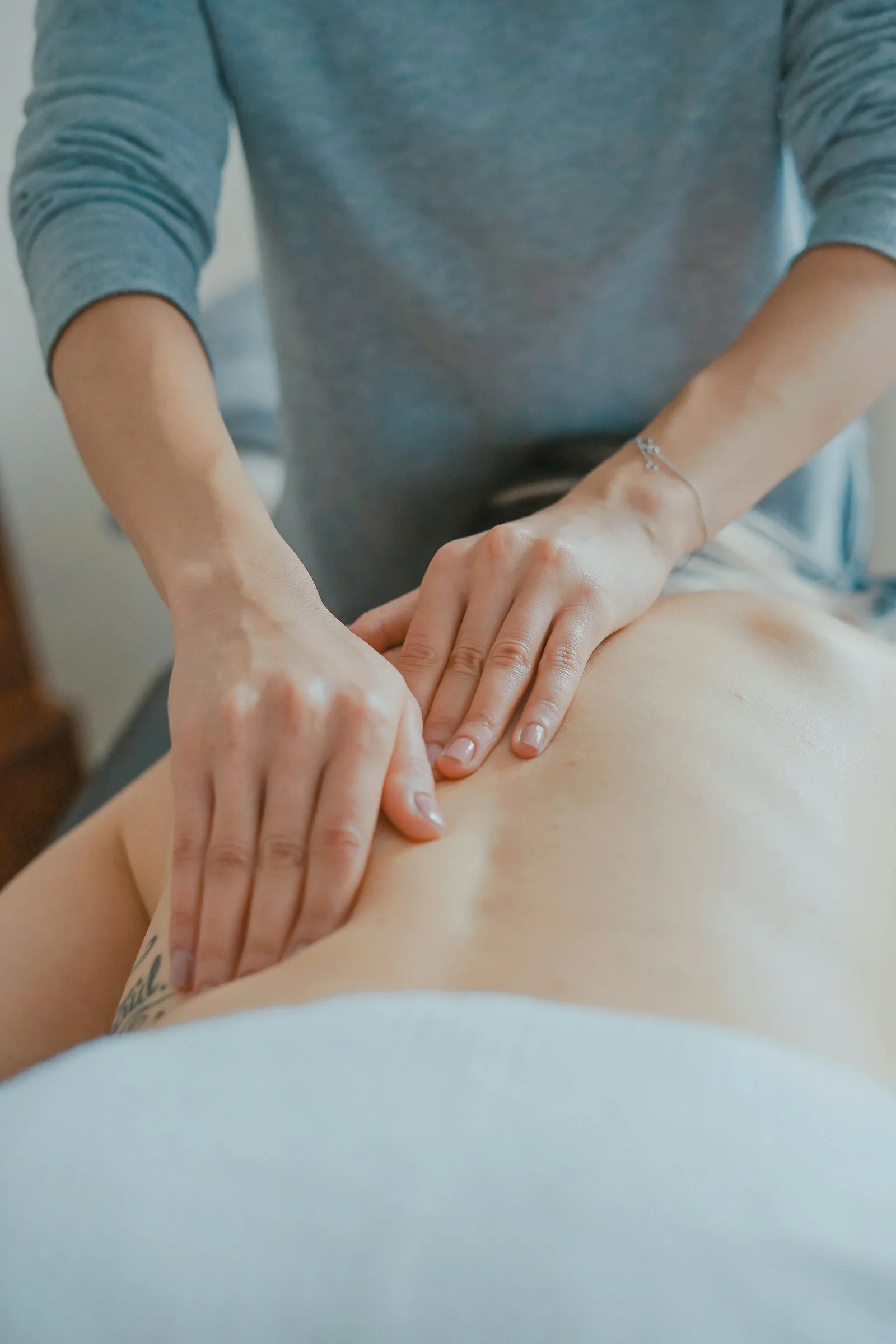
When you ask for medium pressure in a standard session, the therapist applies consistent pressure throughout, which compromises both effects. Areas that need genuine deep tissue work get medium instead of deep. Areas that need light Swedish feel too heavy. The fusion is a structured clinical sequence — Swedish first to prepare the tissue, then real deep tissue work on specific zones. It is not a pressure setting. It is a technique order that produces a result neither modality achieves alone.
Mild soreness in the deep tissue zones for 24 to 48 hours is normal, especially after the first session. It should feel like productive soreness — similar to the day after hard exercise — not sharp pain or worsened restriction. The Swedish closing sequence at the end of the session reduces post-session soreness compared to standalone deep tissue. Clients who drink water and take a light walk in the hours after the session consistently report less soreness the following morning than those who sit still or go straight to sleep.
For most presentations, yes. A 60-minute fusion session gives the therapist enough time for a meaningful Swedish phase and a focused deep tissue phase on one to two primary zones. If you have multiple areas needing deep tissue work — both shoulders, the neck and the lower back, for example — 90 minutes is a better fit. At intake, your therapist helps you choose the right duration based on what you are coming in for. Booking more time than you need is less of a problem than booking less.
Insurance receipts may be available for sessions with eligible therapists. Please confirm receipt availability when booking. Reimbursement depends on your insurer and policy. Please check annual limits, per-session limits and any referral requirements with your insurer before your appointment.
Yes, completely. The intake at the start of every session is where you set your preferences. If you have booked the fusion but arrive wanting a gentler session that day — you are stressed, tired or your body is just not ready for deep work — tell your therapist and the session stays in Swedish mode. Nothing is applied without your agreement. The fusion is a starting structure that adjusts in real time based on what you report and how your tissue responds. Your comfort is part of the clinical picture, not a separate concern.
Sports massage is a broader category that can include Swedish techniques, deep tissue work, stretching and joint mobilization depending on the therapist and the presentation. The Swedish and deep tissue fusion at Spa New You is a specific two-phase sequence: Swedish preparation followed by focused deep tissue work. It does not routinely include stretching or joint mobilization, though those can be incorporated if your therapist determines it is appropriate. If you are an athlete looking for structured soft tissue maintenance, the fusion covers most of what a general sports massage does for the tissue.
For surface tension and general fatigue, most clients notice a difference immediately after the session and through the following day. For chronic deep adhesions and restricted tissue, a single session creates measurable change but the full effect of that session continues developing over three to five days as the tissue settles. Long-standing problems — tension that has been there for months or years — require three to five sessions before the baseline is consistently and durably different. The first session tells you what is possible. The second session tells you whether the approach is right for your specific tissue.
Swedish and deep tissue fusion massage is a structured two-phase technique in which Swedish massage is applied first to warm the tissue, increase circulation and calm the nervous system, followed by focused deep tissue work on specific zones where chronic tension, adhesions or restriction are present. The sequence is clinical, not random. The Swedish phase removes the resistance that makes standalone deep tissue uncomfortable and allows the therapist to access deeper layers more effectively in the second phase. The result is more complete than either modality used alone.
It is often the best option for first-time clients. The most common problem with first-time massage bookings in Montréal is that people choose the wrong modality because they do not know their own pressure tolerance or what their tissue actually needs. The fusion session solves this by starting gentle and adjusting. Your therapist reads how your body responds to the Swedish phase and scales the deep tissue component accordingly. You get the right level of work for your body without needing to know in advance what that is.
Yes, for a specific type of tension headache. Headaches that originate from muscle tension in the suboccipital region at the base of the skull, the cervical paraspinals and the upper trapezius respond well to the fusion. The deep tissue work on those structures, following a Swedish phase that reduces overall nervous system tension, addresses both the structural origin and the tension state that amplifies it. Headaches with other causes — vascular, sinus, neurological — are a different category and may not respond to massage the same way.
For most clients, mild soreness in the deep tissue zones resolves within 24 to 48 hours. Clients who are new to deep tissue work, or who had a significant amount of deep tissue applied to an area that had not been worked before, may notice soreness closer to 48 hours. Hydration and light movement after the session reduce the duration. If soreness is still worsening after 48 hours rather than improving, contact the clinic. That response is unusual and your therapist will want to know about it to adjust the approach at your next session.
Tell them where your main problem areas are, what you have tried before and how it went, any injury history including old surgeries and current conditions, what level of pressure you have found useful or uncomfortable in past sessions, and anything happening physically or in your life that is relevant — high-stress period, recent illness, changed sleep. The more specific you are, the more the session can be structured around your actual presentation. The intake is not a formality. It is where the session is planned.
Deep tissue work is not recommended during pregnancy due to the pressure applied to muscle tissue and the specific contraindications that apply in the prenatal period. If you are pregnant and looking for massage therapy, the pregnancy massage service at Spa New You is the appropriate option. It uses adapted techniques and positioning specifically designed for prenatal care. Tell us you are pregnant when you call so we can confirm the right therapist and approach for your stage of pregnancy.
Yes. Many clients pair the fusion session with the Regular Cleaning facial at $85 for 60 minutes. The neck and upper back work in the fusion naturally transitions into the facial treatment — tissue in the cervical and jaw region that has been worked during the massage is in a better state for the skin treatment that follows. The two services complement each other in sequence. When you call to book, mention that you want both and the desk staff will schedule them in the correct order with appropriate time for each.
Standard practice for the Swedish and deep tissue fusion is to undress to your comfort level. The therapist uses draping throughout, repositioning it as the session moves through different body zones. Only the area being actively worked is uncovered. If you are more comfortable keeping clothing on for any part of the session, tell your therapist and the session adapts. It is your body and your comfort is a clinical variable, not a preference to be accommodated reluctantly.
Call (514) 750-7070. We are open Monday through Sunday from 10:30 AM to 8:30 PM. Describe what you are coming in for — problem areas, any history we should know, preferred session length — and we confirm the right therapist, match you to a time that works and answer any questions before you arrive. There is no online booking form. A phone call takes less time than a form and gets you the information you need in one conversation rather than back-and-forth messages.
Street parking is available on Saint-Jacques and the surrounding Saint-Henri streets throughout the day. On Sundays there are generally no time restrictions on the residential streets near the clinic. On weekdays, meter parking applies on Saint-Jacques itself. If you are coming by transit, the 36 bus on Saint-Jacques runs directly from Lionel-Groulx métro station — the interchange for both the orange and green lines — to our block. It is the most reliable way to arrive from anywhere on the island without dealing with parking.
Call (514) 750-7070. Tell us what you are dealing with — desk tension, training recovery, stress headaches, old injury patterns, or just wanting to know what level of pressure your body actually needs — and we confirm whether the fusion is the right service for your situation before you book anything.
Open seven days a week from 10:30 AM to 8:30 PM. Same rates every day, no weekend surcharge. If you require an insurance receipt, please confirm therapist eligibility and receipt availability when booking. Sessions available in Saint-Henri, easily accessible from NDG, Verdun, LaSalle, Westmount and anywhere on the island of Montréal.
Same-day appointments require a phone call.
Please call (514) 750-7070 to confirm availability.
Give your body a little extra care this year. Call or book your visit to claim your free hour.